
Puglia-The Salento Edit
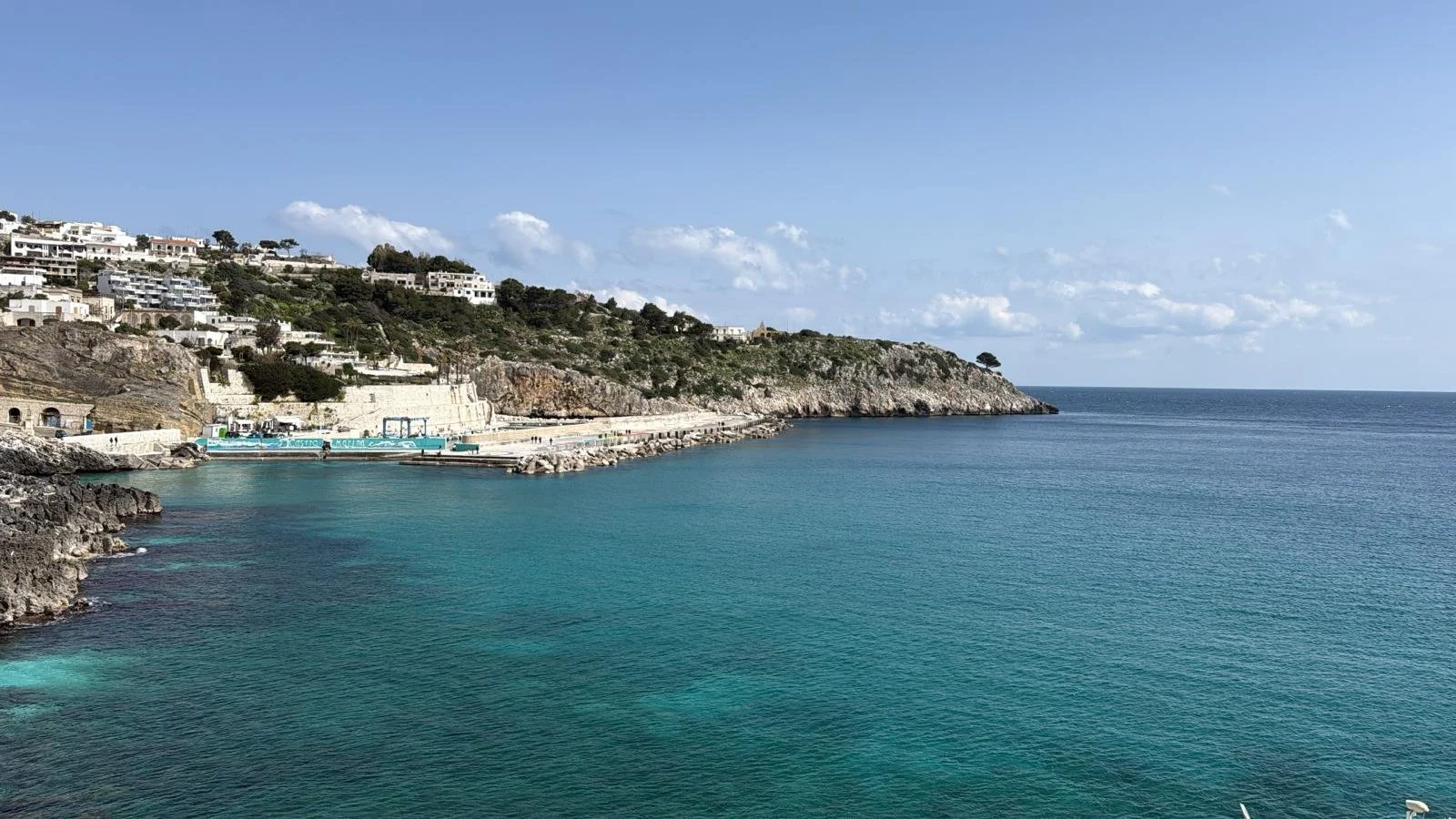
Discover one of the most beautiful areas of Italy, rich of natural beauty, culture and traditions.

Welcome to Puglia — the heel of Italy’s boot, and the southeastern corner of my birth. Though I lived there only briefly as a child, I return every summer and most of my extended family still live there. That enduring connection deepens with age; each visit reveals more of the region’s singular beauty and unscripted way of life.
Until recently, many of my international friends could not place Puglia on a map. Today it has become a sought-after destination, and I’m frequently asked for advice on planning a visit. Below is a concise guide to Salento — the tip of the heel, the stretch of land that plunges dramatically into the sea — and what you can expect to find there.
❋ When to goAvoid August if you can: it grows crowded and hot. That said, it’s still possible to enjoy quieter moments then by visiting popular sites while most people head to the beaches. The best months are June, the first half of July, and September — fewer crowds and reliably pleasant weather. Spring and autumn are also pleasant for sightseeing, but swimming is unlikely and rain is more probable.
❋ WherePuglia is served by two airports: Bari’s main airport and a smaller one in Brindisi. The region is vast and varied, with much to explore. The most visited area is the Valle d’Itria — think Alberobello, Ostuni and Fasano — but for the best beaches, picture‑perfect villages and outstanding cuisine, head farther south to Salento.
❋ The journeyFly to Brindisi, rent a car and drive to Lecce. Spend a few days exploring Lecce: Baroque architecture, ornate churches and tranquil piazzas. Continue south to Otranto to stroll the old town, visit the cathedral and enjoy beaches and coastal villages. Reach Santa Maria di Leuca at the southern tip to see the lighthouse and the meeting of the Adriatic and Ionian Seas. Traveling up the Ionian coast you’ll find standout beaches: dunes and crystalline waters at Ugento, the elegant town of Gallipoli, and sandy coves at Porto Cesareo. In a single day you can watch the sunrise over the Adriatic and the sunset over the Ionian.
❋ What to doOnce you slip into the fresh, crystalline water, you may never want to leave the shore — yet Salento offers far more than beaches. The region is richly endowed with picturesque villages, elegant churches, grand palazzi and ancient ruins. After wandering through charming towns and sunlit landscapes, pause for an artful gelato or a leisurely aperitivo. Local craftsmanship is abundant: olive oil, wine, ceramics and textiles are made here with time-honored skill. Pack light when you arrive — you’ll leave laden with memories and treasures.
Suggested itinerary
To truly savor Salento at an unhurried pace, linger for at least 5–7 days; ideally, spend 10–14 days. That stretch allows time to explore, unwind and let the region’s rhythm settle in. For an authentic experience, stop frequently in small villages: linger over a coffee and a pasticciotto, buy fresh produce at local markets, and wander the old town centers to discover tucked-away piazzas, baroque façades and everyday rituals.
ArriveBrindisi International Airport is just 45 km from Lecce; if time allows, stop at the Abbey of Cerrate — a remarkable site that instantly evokes the atmosphere of Salento.
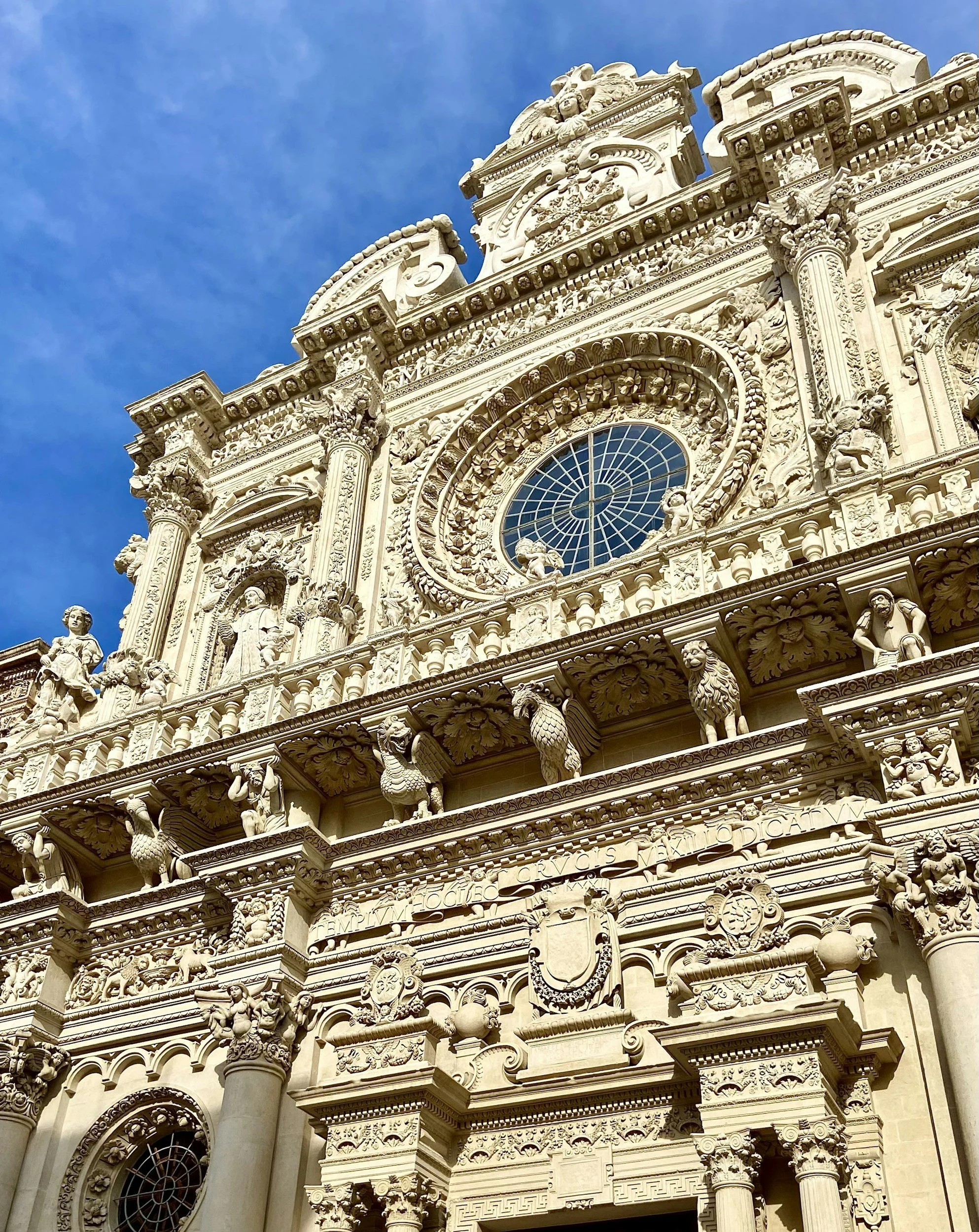
Day 1-3Visit Lecce — a beautiful city where churches and palaces are sculpted from local Pietra Leccese. This warm, honey-coloured limestone catches the sunlight, bathing façades in a soft, golden glow and turning every street into a living, luminous work of art.
There is so much to see and do in Lecce that it will soon have it’s own Urban Itineraries edit.
Day 3-4If you drive down from Lecce to Otranto through the costal road, you will pass some beautiful creeks and villages like Acaya, Torre dell’Orso, Roca Vecchia. Stop for a quick swim and for an ice cream or pastry at Dentoni or for a delicious lunch at Vecchio Molo in San Foca.
Begin the day in Otranto with a luminous Adriatic sunrise from the seafront promenade or a cliffside—those early hues set the day. Spend the afternoon at Alimini Lakes’ freshwater-marine mix or Baia dei Turchi’s powdery cove and pine shade. Rent gear for kayaking, SUP, snorkeling or windsurfing to explore the coast by water.
Visit the Cathedral’s 12th‑century mosaic and vaulted nave, then climb the Aragonese Castle ramparts for harbor panoramas and summer exhibitions. Wander the Old Town’s narrow streets for artisanal leather sandals, hand‑sewn swimwear and local crafts. End the day with a fresh fish dinner at Diavolicchio Goloso
Day 4-6Continue your journey south, keeping as close to the coast as possible to savour panoramic sea views and delightful stops. Call in at Santa Cesarea Terme for its dramatic cliffs and thermal‑spa elegance, then onward to Castro Marina with its marine grottos and handsome harbor. In Tricase, treat yourself to the region’s finest gelato at G&Co. Press on to Santa Maria di Leuca to explore the graceful lighthouse and the picturesque village where the Adriatic and Ionian seas meet.
For an indulgent overnight, choose a masseria near Ugento. Relax on sun‑drenched coastal terraces, enjoy leisurely, flavour‑forward meals, and take full advantage of the pristine beach and beach‑club activities for a quintessentially Apulian escape.
Day 6-8Visit Gallipoli’s old town and its environs: wander the whitewashed alleys of the historic centro storico, pause at the Baroque splendour of the Cathedral of Sant’Agata, and watch fishermen mend nets along the ancient walls. Explore the seaside promenades and lively markets to taste local seafood and Puglian specialties. Check the Nourish section below for suggestions.
Beyond the town, discover Porto Selvaggio’s pine-clad park and crystalline coves—ideal for shaded walks and cliffside swims. Visit the elegant seaside village of Santa Caterina for its chic beaches and calm waters, and continue to Punta della Suina for dramatic cliffs, panoramic views and secluded beach coves favored at sunset.
After a day along the Ionian coast, return to Brindisi. Allow time for the coastal drive: pause at scenic overlooks, enjoy a final seaside meal.
A selection of places where to stay, eat, swim and buy local craftsmanship
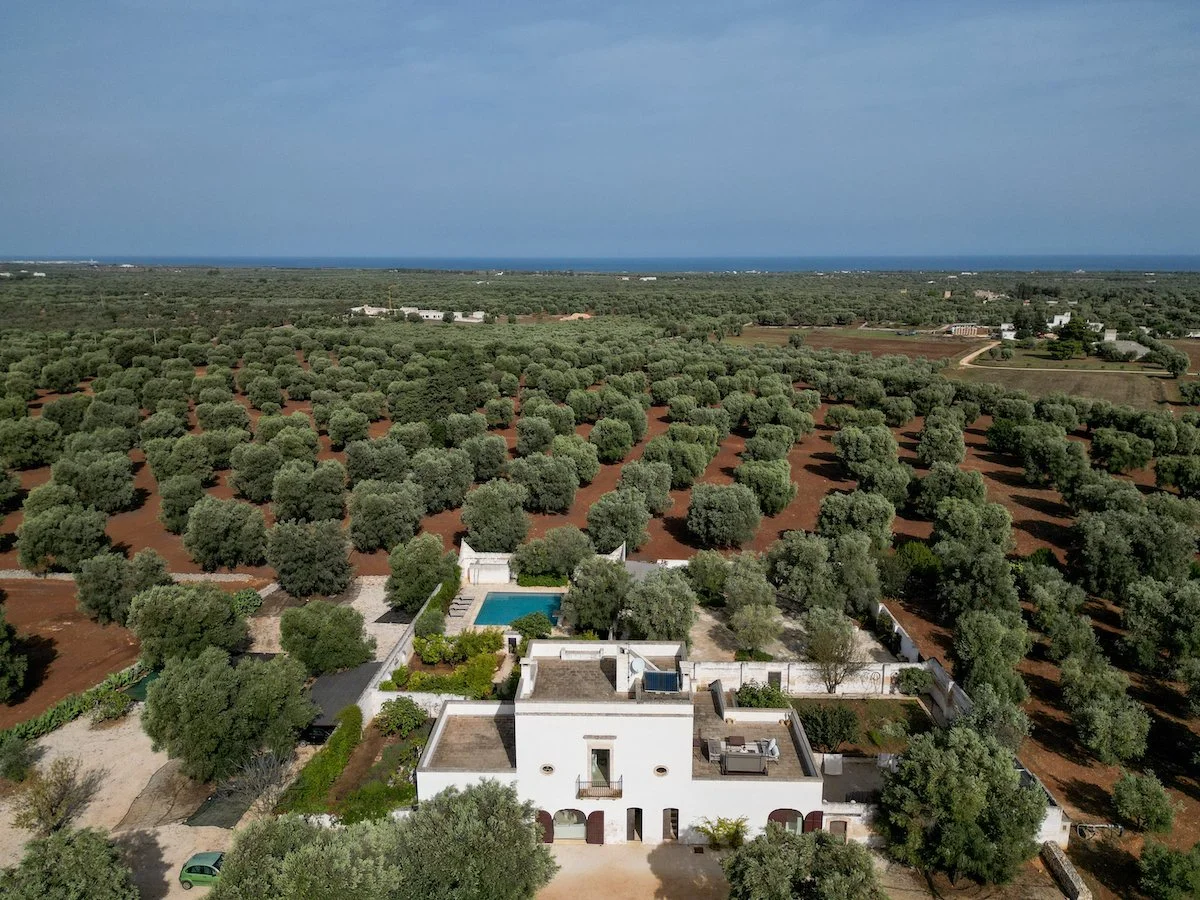
The finest places to stay are boutique hotels or privately rented villas and masserie, where you can arrange private chefs, personal trainers, boat hire and other bespoke services. Dining and specialty shops are dispersed across the region’s small towns, so be prepared to drive to enjoy the very best restaurants. Below is a small selection of options—contact me for tailored recommendations and additional choices.
-
Apulia Nobilis Luxury rentals
Masseria Trapanà Lecce
Masseria Muzza Otranto
Le Capase Santa Cesarea Terme
Masseria Donna Menga Nardò
-
Alex Ristorante Lecce
L’Altro Baffo Otranto
Taverna del Porto Tricase
Lo Scalo Marina di Novaglie
Le Stanzie Supersano
-
Tessitura Calabrese Tiggiano
Le Costantine Casamassella
Le Saittole Olive oil mill Castri di Lecce
Li Veli winery Cellino San Marco
Fasano Ceramics Grottaglie
-
Mora Mora San Foca
La Castellana Otranto
Marinelli Patù
Togo Bay Porto Cesareo
Balelido Marina di Ugento