
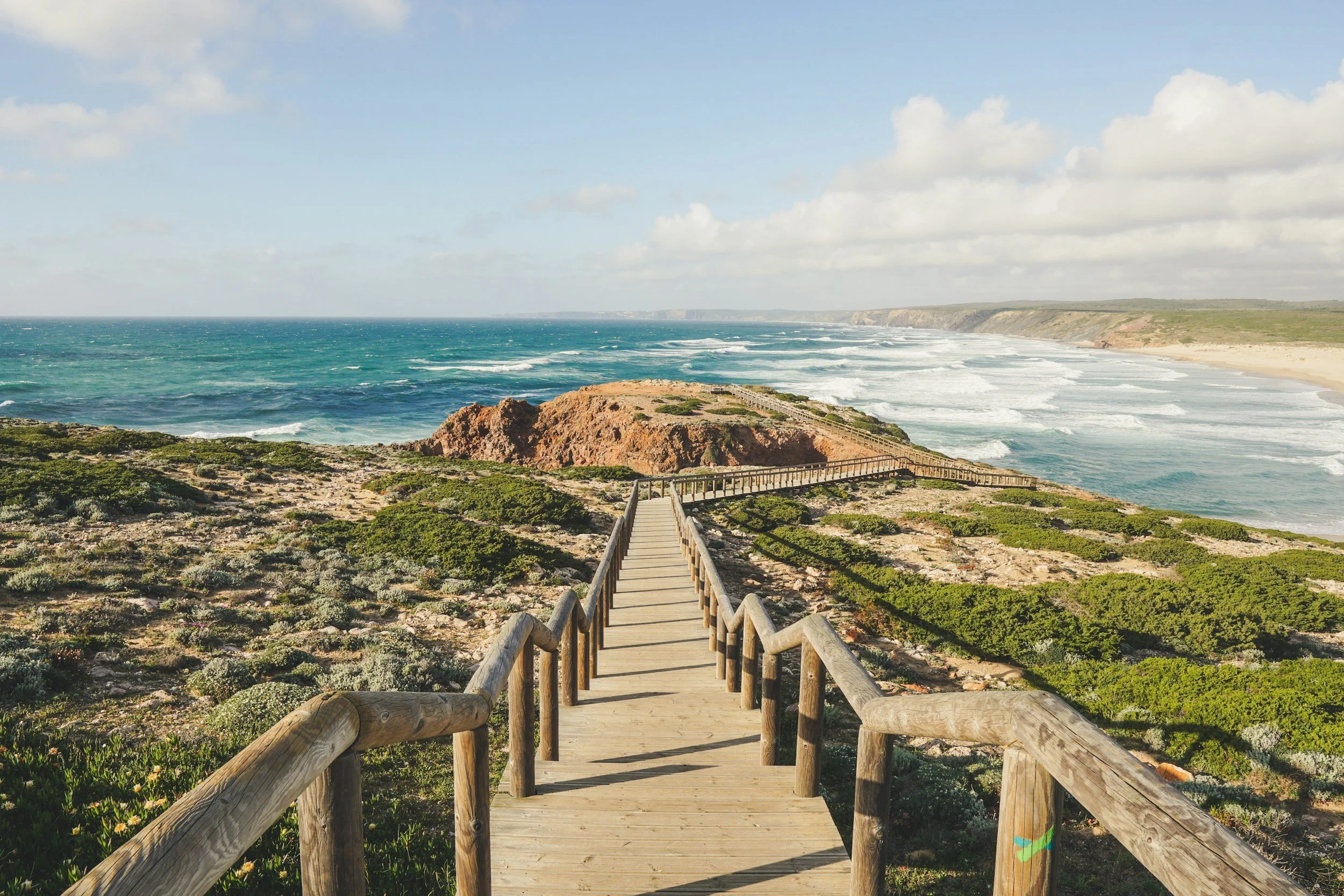
The Algarve Edit
If you want to escape the Mediterranean summer crowds, the Algarve is the perfect choice. With light traffic, expansive wild beaches and a cosmopolitan yet relaxed atmosphere, it offers a singular slice of Europe where nature, space and international charm meet.
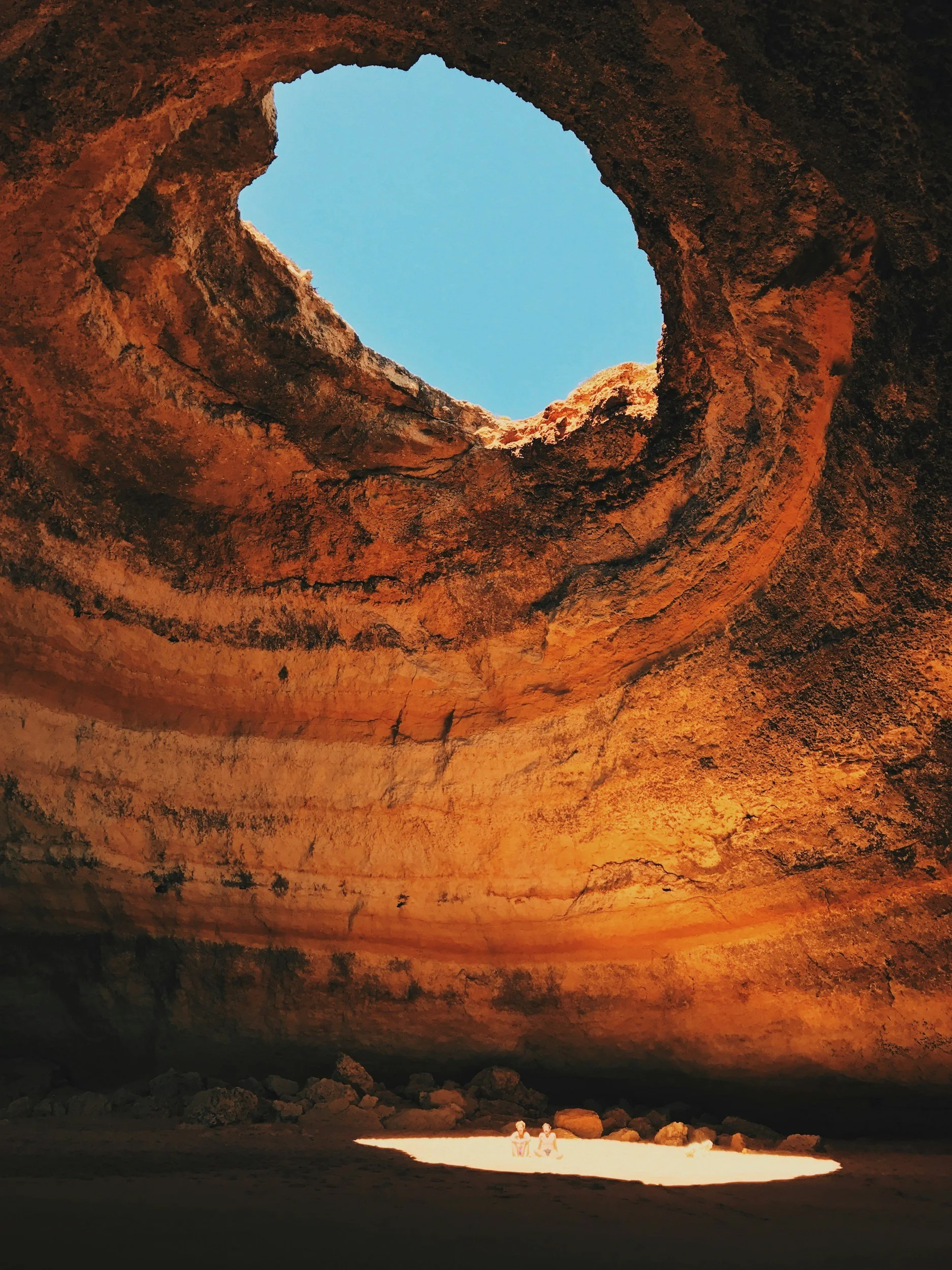
Travel from west to east along the Algarve and you will encounter a coastline of startling contrasts: wild Atlantic shores with windswept dunes and surf-perfect breaks; a central ribbon of glamour where dramatic limestone cliffs, manicured golf estates and grand seaside villas meet chic marinas; and an eastern stretch that feels warmer, quieter and richly hued by Spanish and Arabic heritage. The top highlights not to miss during your journey are:
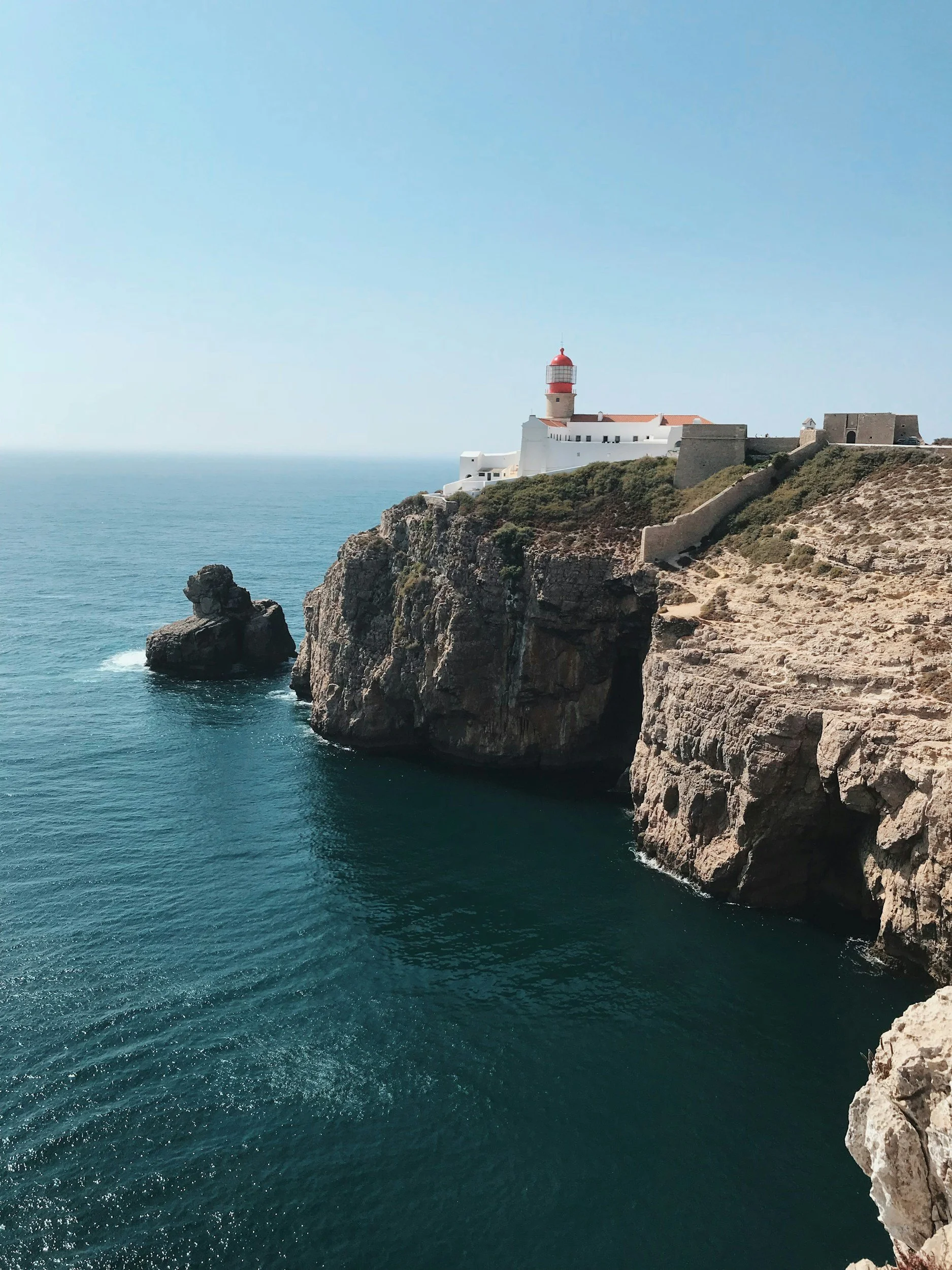
Sagres and Cape St. Vincent (Cabo de São Vicente)
Why go: The westernmost headland of mainland Europe, where towering cliffs, a 16th-century fortress and vast ocean vistas create a sense of dramatic remoteness.
Don’t miss: Sunset from the lighthouse platform, the fortress walls and the nearby rock arches. Explore the windswept beaches popular with surfers and watch for seabirds riding the currents.
Amado and Bordeira Beaches (Costa Vicentina)
Why go: Part of the Costa Vicentina Natural Park — raw, protected coastline with high dunes, crashing surf and a true feeling of wild Portugal.
Don’t miss: Surf lessons or simply watching experienced surfers; dune walks that reveal panoramic views; the tidal pools and rugged cliffs at low tide.
Odeceixe and Aljezur
Why go: Charming whitewashed villages at the edge of the park where a river meets the sea, offering a balance of beach, countryside and traditional Algarvian life.
Don’t miss: The river estuary at Odeceixe for paddling and birdwatching, the Moorish-era layout of Aljezur, and nearby castle ruins with sweeping countryside views.
Carrapateira and the Southwest Alentejo and Vicentine Coast Natural Park
Why go: Untouched beaches framed by dunes and cliffs, plus excellent trails and cycling routes through fragrant scrubland.
Don’t miss: Coastal hikes on the Rota Vicentina, quiet coves for solitude, and local seafood served in small family-run tavernas.
Lagos and Ponta da Piedade
Why go: A lively historic town that combines cobbled streets and maritime heritage with some of the Algarve’s most iconic sea-formed cliffs and grottoes.
Don’t miss: Boat trips
Suggested itinerary
If time allows, pair your Algarve visit with a few days in Lisbon—always worth a stop. After enjoying the capital, drive south and begin your coastal itinerary in Sagres. If your schedule is tight, fly into Faro, rent a car and head west to explore the windswept Atlantic coastline.
Day 1-4If you arrive from Lisbon or fly directly into Faro, the best option is to book accommodation around Lagos for the first 3–4 days and begin exploring the west coast of the Algarve. Lagos makes an excellent base: it offers a varied selection of hotels and country houses, excellent restaurants, and convenient road connections to the region’s wilder, more scenic spots.
Suggested 3–4 day itinerary for the west coast
Day 1 — Lagos and immediate surroundings
Morning: Stroll the streets of the old town, visiting the fortress walls and the Church of St. Anthony. Enjoy coffee and pastéis de nata in a shaded square.
Afternoon: Walk or take a short drive to Praia Dona Ana and Praia do Camilo for striking cliffs and clear water. Time permitting, book a short boat trip to see the famous grottoes and Ponta da Piedade from sea level.
Evening: Dine at a seafood-focused restaurant in the marina or historic centre.
Day 2 — Westward to Sagres and the dramatic coastline
Morning: Drive toward Sagres, stopping at scenic viewpoints along the way. Visit the Sagres Fortress and the Cape of São Vicente for sweeping Atlantic panoramas.
Afternoon: Explore nearby wild beaches such as Praia do Tonel and Praia da Beliche, great for walks and watching surfers.
Evening: Return to Lagos or stay overnight in Sagres for a more remote, windswept experience.
Day 3 — Explore the Costa Vicentina Natural Park
Morning: Head north along the coast into the Costa Vicentina Natural Park. Hike sections of the Rota Vicentina cliff trails for dramatic views and birdwatching.
Afternoon: Visit secluded beaches like Odeceixe or Amado, ideal for a quieter swim or late-afternoon light for photography.
Evening: Back to Lagos for dinner, or choose a countryside quinta for a relaxed night.
Optional Day 4 — Inland villages and wine
Morning: Take a leisurely drive inland to Monchique. Climb to Foia for panoramic views over the Algarve.
Afternoon: Stop at a local winery or olive oil producer for tastings, and explore the small mountain villages.
Evening: Return to Lagos and finish with a refined meal, perhaps sampling regional specialties such as cataplana or grilled fish.
Day 5-8For the second part of your trip, relocate your base to Faro and use it as a gateway to explore the eastern Algarve’s quieter, more authentic coast.
Where to stay
Choose a central Faro pied-à-terre for convenience, or split nights between Faro and Tavira to shorten transfers. Look for boutique guesthouses within the old town for atmosphere, modern hotels near the marina for ease, or a villa on the Ria Formosa for a waterside experience.
Villages and towns to visit
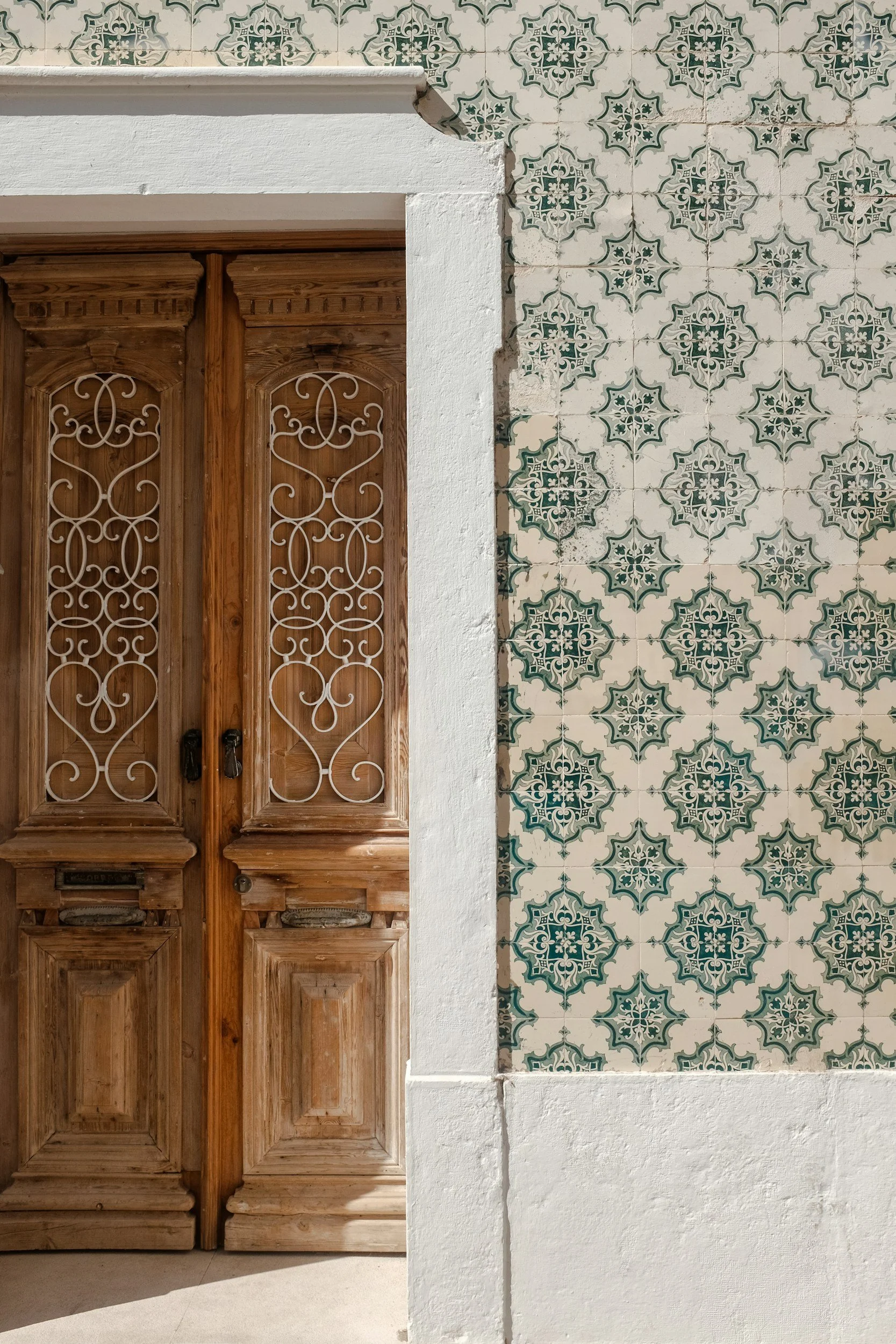
Olhão: Wander the whitewashed alleys and lively fish market at dawn, then sample freshly grilled seafood at lunchtime in a waterfront tasca. Don’t miss the mosaic-tiled Mercado Municipal and the boats to the barrier islands.
Tavira: Meander across the Roman bridge, explore the castle garden for panoramic views, and discover artisan shops and pastel-coloured squares. Allow time for the Camera Obscura and a riverside meal in the old town.
Santa Luzia: A tiny fishing village famed for octopus dishes — try a local marisqueira. It’s an ideal stopover en route to the beaches and for photographing traditional boats.
Beaches and nature
Ria Formosa islands: Take a boat to Ilha da Culatra or Ilha da Armona for unspoiled sand, calm waters and simple beach restaurants; perfect for a seaside lunch and a long beach walk.
Praia do Barril / Ilha de Tavira: Walk the wooden boardwalk through dunes to reach expansive sands; explore the Anchor Graveyard near Barril for a hauntingly beautiful photo opportunity.
Praia da Manta Rota and Monte Gordo: Broader, soft-sand beaches with facilities, good for swimming and relaxed sunbathing.
Activities and experiences
Golf: The eastern Algarve hosts several championship courses — plan a round at Monte Rei for a world-class experience, or the well-maintained Quinta da Ria and Benamor for excellent play amid scenic backdrops. Many clubs provide hire equipment and pro lessons.
Seafood and dining: Move beyond fresher-than-fresh market stalls to refined waterfront dining in Tavira and Olhão. Look for restaurants that pair regional wines with octopus, clams, grilled fish and arroz de marisco.
High-end shopping: Faro’s marina boutiques and Tavira’s design shops offer Portuguese ceramics, linen, cork goods and artisan jewellery. For luxury retail, consider a day trip westward to Faro’s larger shopping centres or arrange private shopping appointments with local ateliers.
Boat trips and birdwatching: Charter a private boat around the Ria Formosa for secluded coves, stand-up paddleboarding, or guided birdwatching—spring and autumn are prime for migratory species.
Cultural detours: Time a visit to coincide with local markets and festivals where possible. Pop into small churches and museums to better understand regional history and crafts.
This second phase balances leisurely beach days, refined dining and optional sporting pursuits, all framed by the understated charm of eastern Algarve’s villages and waterways.
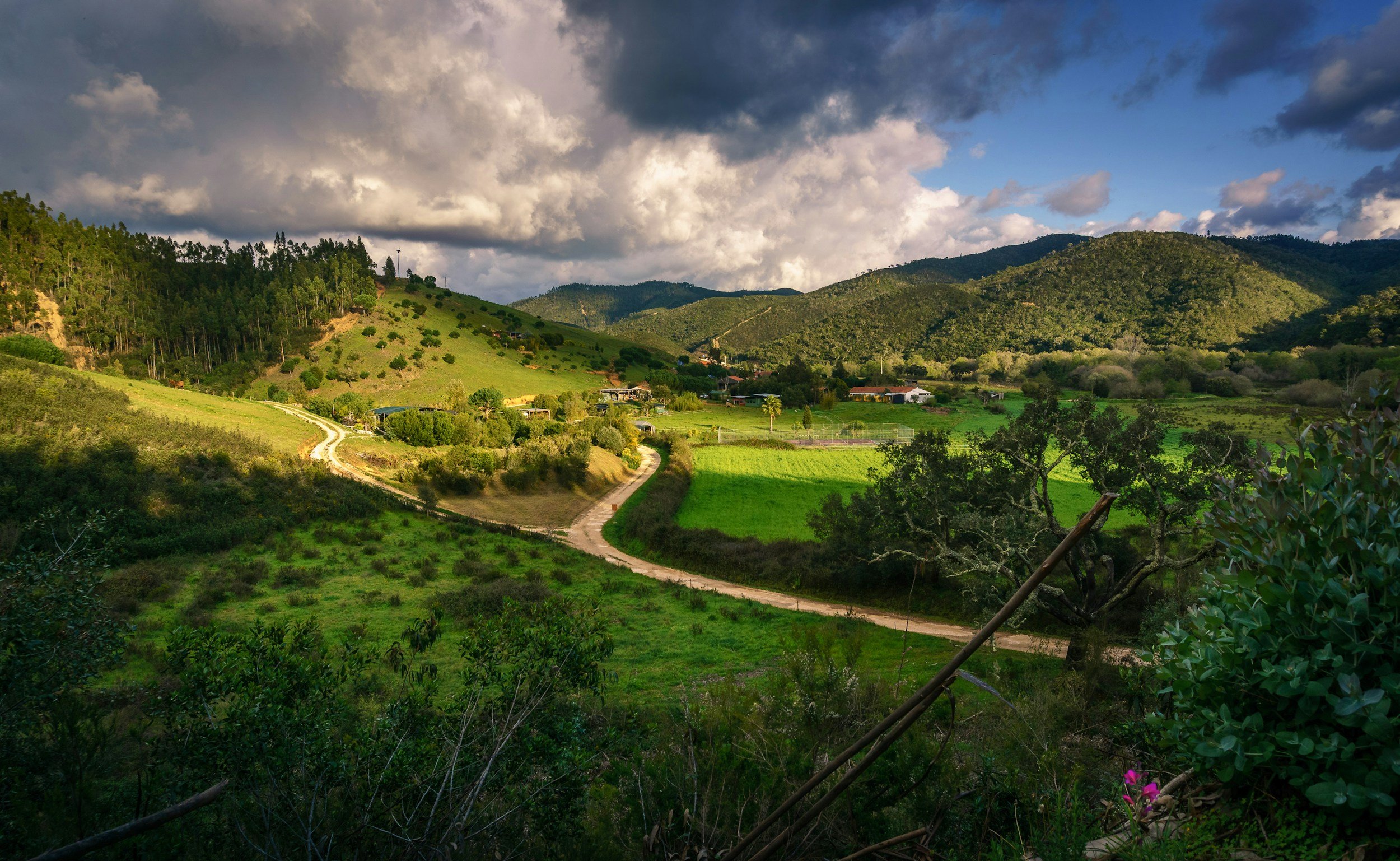
A selection of places to stay, eat and buy local craftsmanship
To enjoy the coast’s finest spots you’ll need to drive a fair bit, but the journey is effortless: traffic is light, the roads are well maintained, and the scenery unfolds gently along the way.