
The Loire ValleyEdit
Whether drawn by culinary pleasures, architectural grandeur, or simply the restorative calm of slow living, the Loire Valley rewards those who linger with layered beauty and a timeless, quietly elegant way of life.

One of France’s most enchanting regions, the Loire Valley is a place I return to again and again. Here, life unfolds at an unhurried pace: afternoons drift by beneath plane trees, markets brim with seasonal produce, and cafés invite long, contemplative conversations. The valley is steeped in history and culture—stately châteaux rise like poems in stone, Renaissance gardens unfold with measured symmetry, and small towns preserve centuries of artisanal craft. Inscribed as a UNESCO World Heritage Site for its outstanding cultural landscape, the Loire celebrates the harmonious interplay between human creativity and natural endowment: palace-lined riverbanks, engineered parks and working vineyards together illustrate centuries of artistic, agricultural and scientific achievement.
❋ When to goSpring and autumn are the ideal seasons to savor everything the valley offers. While the architecture and cultural landscapes retain their appeal year-round, these transitional months showcase blooming gardens in spring and the rich, fiery palette of autumn. They are also the prime time to explore the valley’s local produce and seasonal flavors—from fresh spring harvests to hearty autumnal specialties.
❋ WhereThe nearest airports are Paris-Orly and Charles de Gaulle. From either, allow about two hours’ driving to reach the closest points of interest. You can make the journey entirely by car — convenient and direct — or opt for the increasingly popular cycling route, which offers deeper immersion in the countryside and the chance to discover landscapes and villages at a more leisurely, attentive pace.
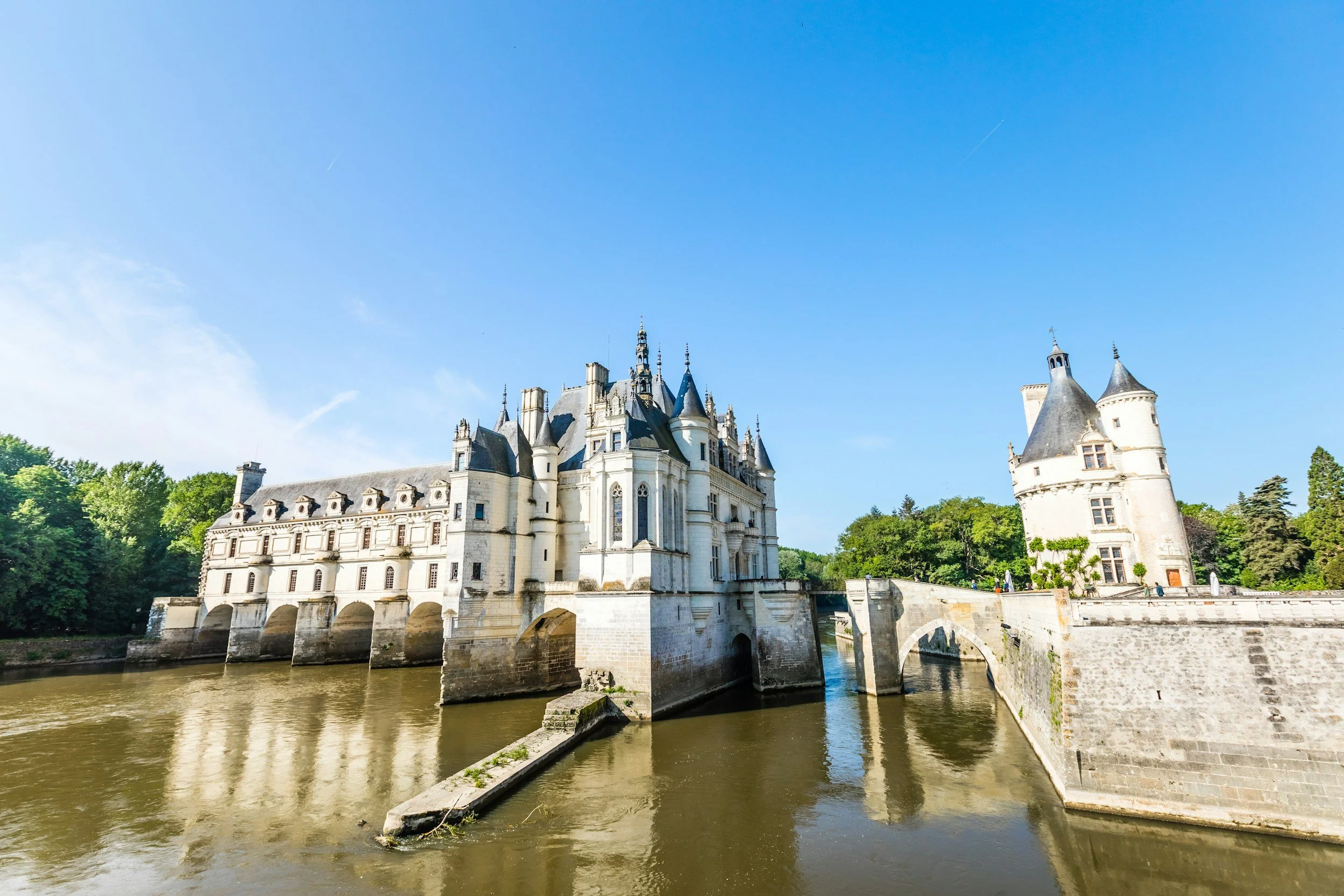
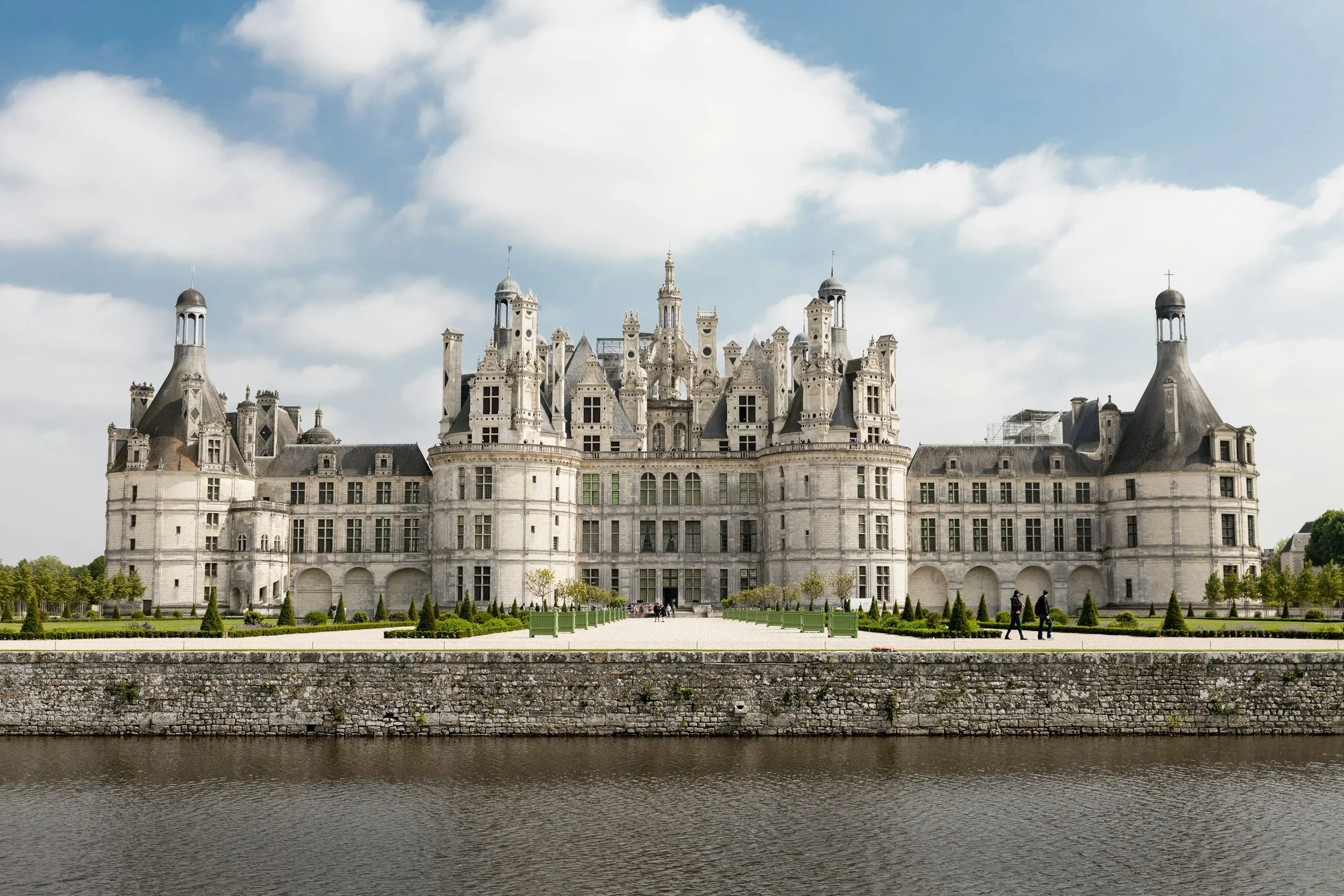
❋ The journeyThe Loire Valley unfolds like a living history book—begin with the fairy-tale Château de Chambord for its dramatic Renaissance architecture and sweeping parklands, then wander the intimate rooms and gardens of Château de Chenonceau spanning the River Cher. Visit Château d’Amboise for royal tombs and panoramic river views, and Villandry for its immaculate Renaissance gardens sculpted into fragrant terraces. For wine and gastronomy, stop at Sancerre and Chinon for tastings of crisp Sauvignon Blanc and age-worthy Cabernet Franc, and explore the market towns of Tours and Saumur for lively food stalls, museums, and riverside promenades.
❋ What to doChâteau visits can become highly addictive: once you discover one, you’ll want to explore many more—comparing styles, uncovering their fascinating histories, and wandering through their splendid gardens. Most historic sites offer a wide range of activities, from guided tours and lectures to seasonal exhibitions. When you’re ready for a change of pace from full immersion in the Renaissance, you can enjoy wine tastings, hot-air balloon rides, and the delightful surprises of nearby picturesque villages.
Suggested itinerary
The Valley is culturally rich, with over 3000 sites spread across more than 280 km — impossible to see in a single visit. Choose a handful of iconic sites you cannot miss and allow minimum 4–5 days to explore them at a relaxed pace.
ArriveFrom Paris, drive south toward Orléans and begin your tour at the most majestic of the Loire châteaux, Chambord. Allow at least three days in this area to savour the château itself and explore the surrounding estates, vineyards and picturesque villages. Then move west toward Tours, where a change of accommodation will place you within easy reach of the valley’s other treasures for the remainder of your trip.
Day 1-3Take all the time you need to explore Château de Chambord. While a visit inside the château can take a few hours, the vast surrounding estate can easily occupy the rest of your day. A wide range of activities is offered, and electric carts are available to rent for quicker, more comfortable exploration.
Over the following days you can visit Château de Cheverny and its beautiful park, as well as several smaller yet charming châteaux in the area. This is also an ideal spot for a hot‑air balloon ride.
Day 3-4Blois and Amboise are sizable towns whose châteaux hold considerable historical significance. In Amboise, don’t miss the Clos-Lucé, Leonardo da Vinci’s final residence.
In the remaining time, be sure to visit the local farmers’ markets and artisanal shops.
Day 4-6It’s time to head west and begin exploring the charming area around Tours. Chenonceau, Azay-le-Rideau and Villandry—with its extraordinary gardens and elegant terraces—are among the must-see attractions.
The city of Tours is well worth a visit; its centre is filled with beautiful buildings and monuments that evoke its rich historical heritage.
Day 6-8If you have had enough of museum and landmark visits, this is the perfect time for wine tasting in Chinon, Saumur and Brissac, and for leisurely cycling along the Loire.

A selection of places where to stay, eat and find local specialties
There are several options, from luxury hotels to charming privately owned castles, for a more authentic stay. The region is renowned for its gastronomy—particularly its cheeses and wines—which you can taste on site and take home as souvenirs.